

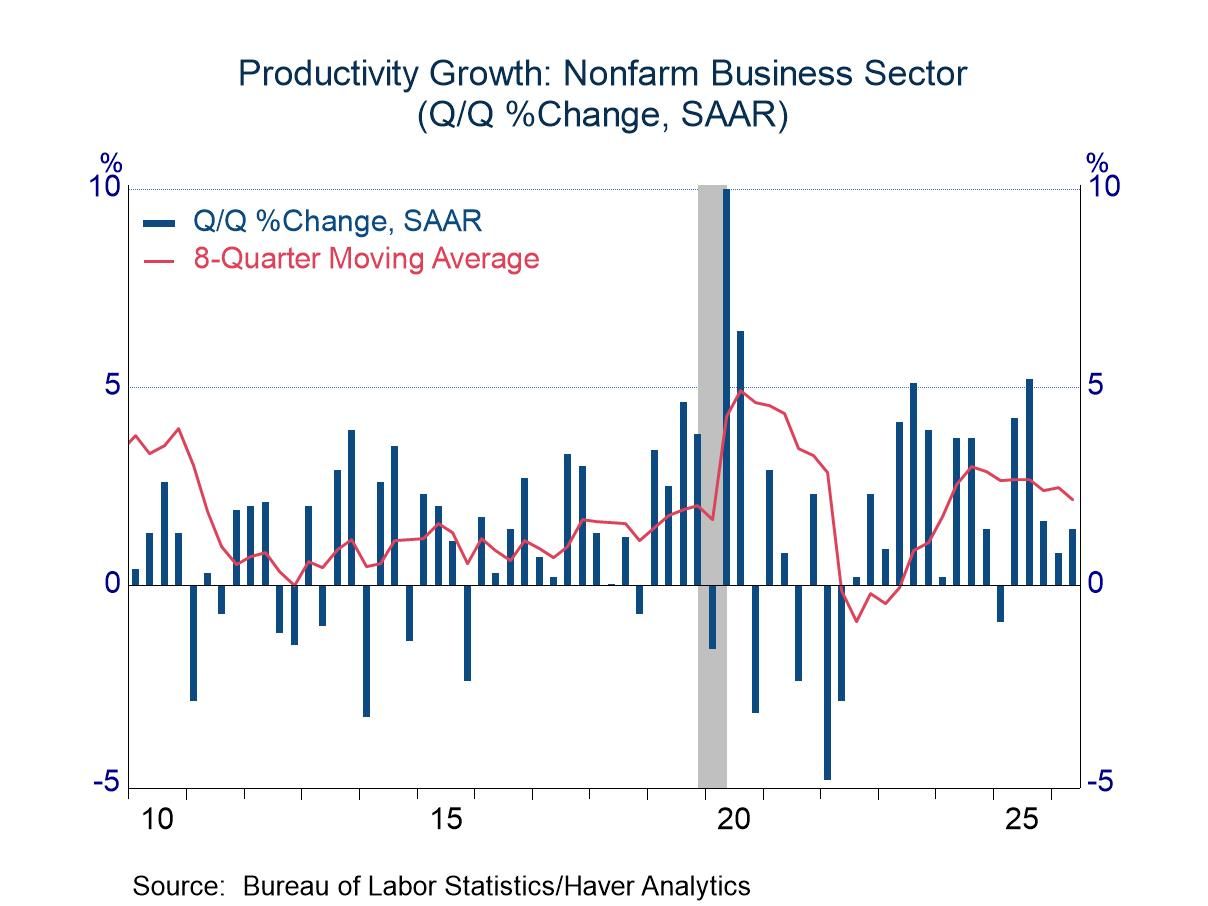
- Productivity gains, while still respectable, have lost a bit of vigor in recent quarters.
- The growth of unit labor costs eased slightly from an already moderate pace.
Introducing
Michael J. Moran
in:Our Authors
Before joining Haver Analytics in 2025, Michael J. Moran was the chief economist of Daiwa Capital Markets America Inc. He was responsible for preparing the firm’s economic forecast and interest rate outlook. He traveled frequently to visit the clients of Daiwa Capital Markets and wrote weekly economic commentary. Mr. Moran also was involved in the flux of financial markets, as he spent a portion of each day on Daiwa’s trading floor interpreting economic statistics and Federal Reserve activity for traders and salespeople. Mr. Moran is quoted frequently in the financial press, and he appears regularly on cable news shows. He also has published articles in several journals and periodicals. Before joining Daiwa Capital Markets America, Mr. Moran worked as an economist at the Federal Reserve Board in Washington, D.C. where he analyzed a broad range of issues dealing with the financial sector of the economy and regularly briefed the Board of Governors. He was on the faculty of Pennsylvania State University from 1979 to 1980 and taught on a part-time basis at George Washington University from 1980 to 1987.
Mr. Moran received his Ph.D. in economics from Pennsylvania State University in 1980 and a B.S. in business administration from the University of Bridgeport in 1975. He was a CFA charter holder from 2002 until 2016.

Publications by Michael J. Moran
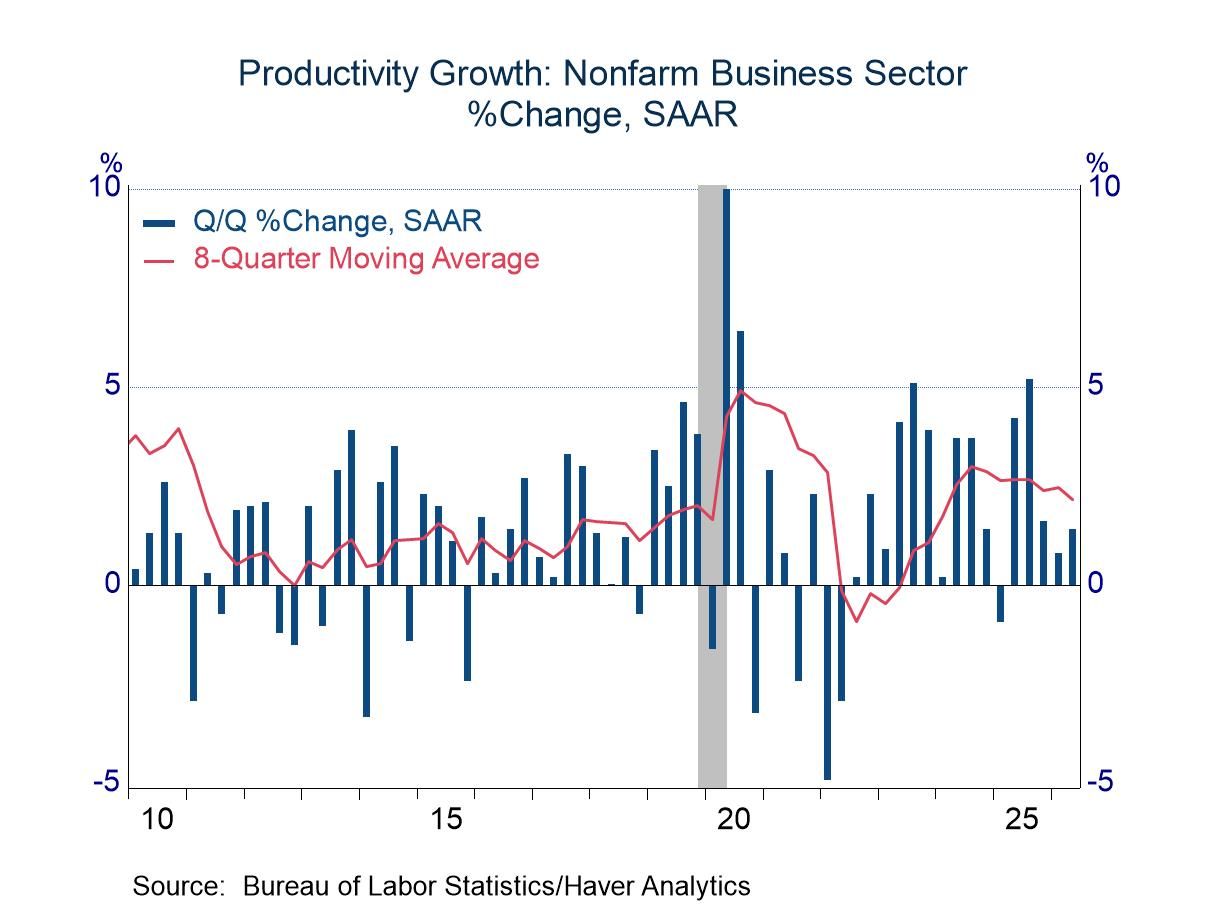 USA| Sep 03 2026
Revised Productivity in Q2: No Adjustment to Moderate Growth
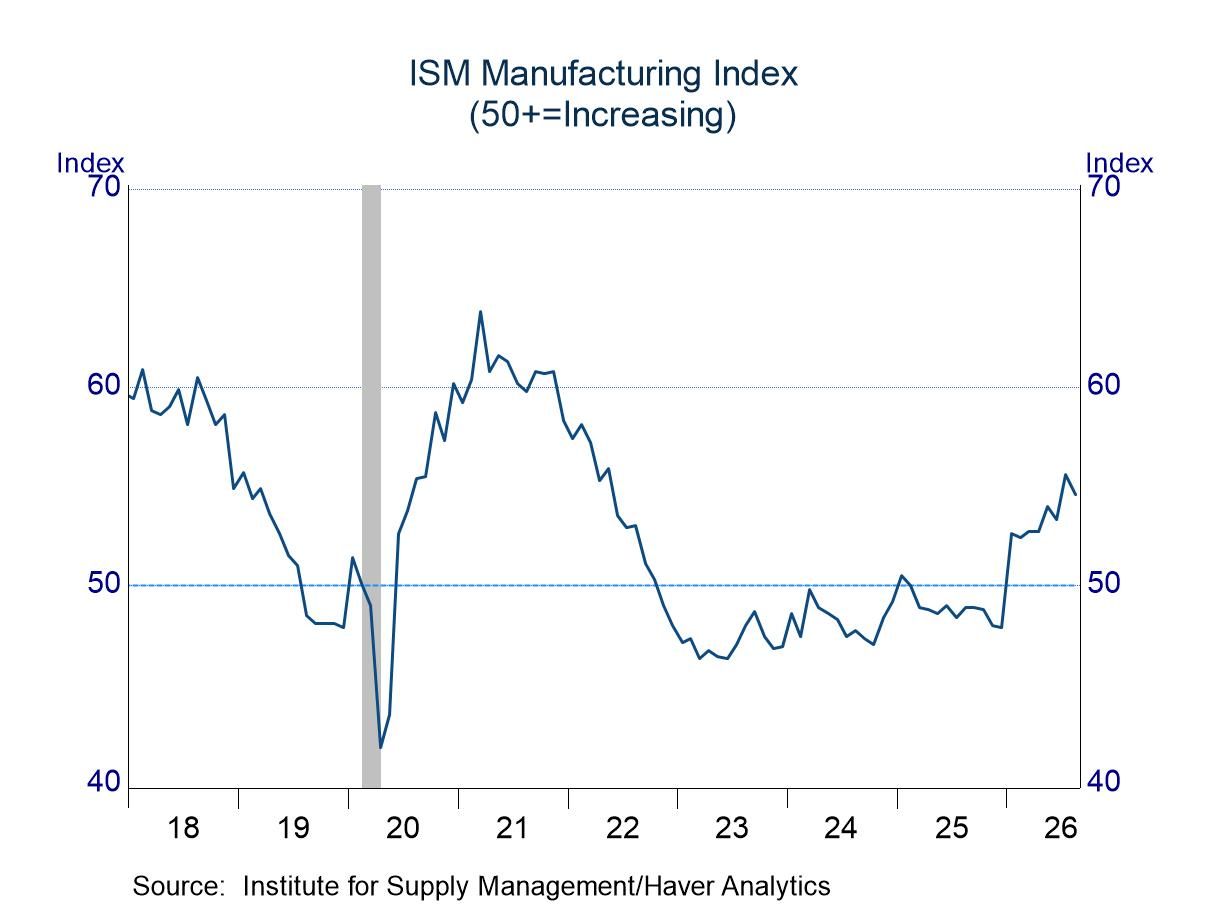
- New orders accounted for most of the easing in the headline index.
- The production index showed a small decline; the employment index posted a moderate drop.
- The prices index was unchanged at an elevated level, but still below recent peaks.
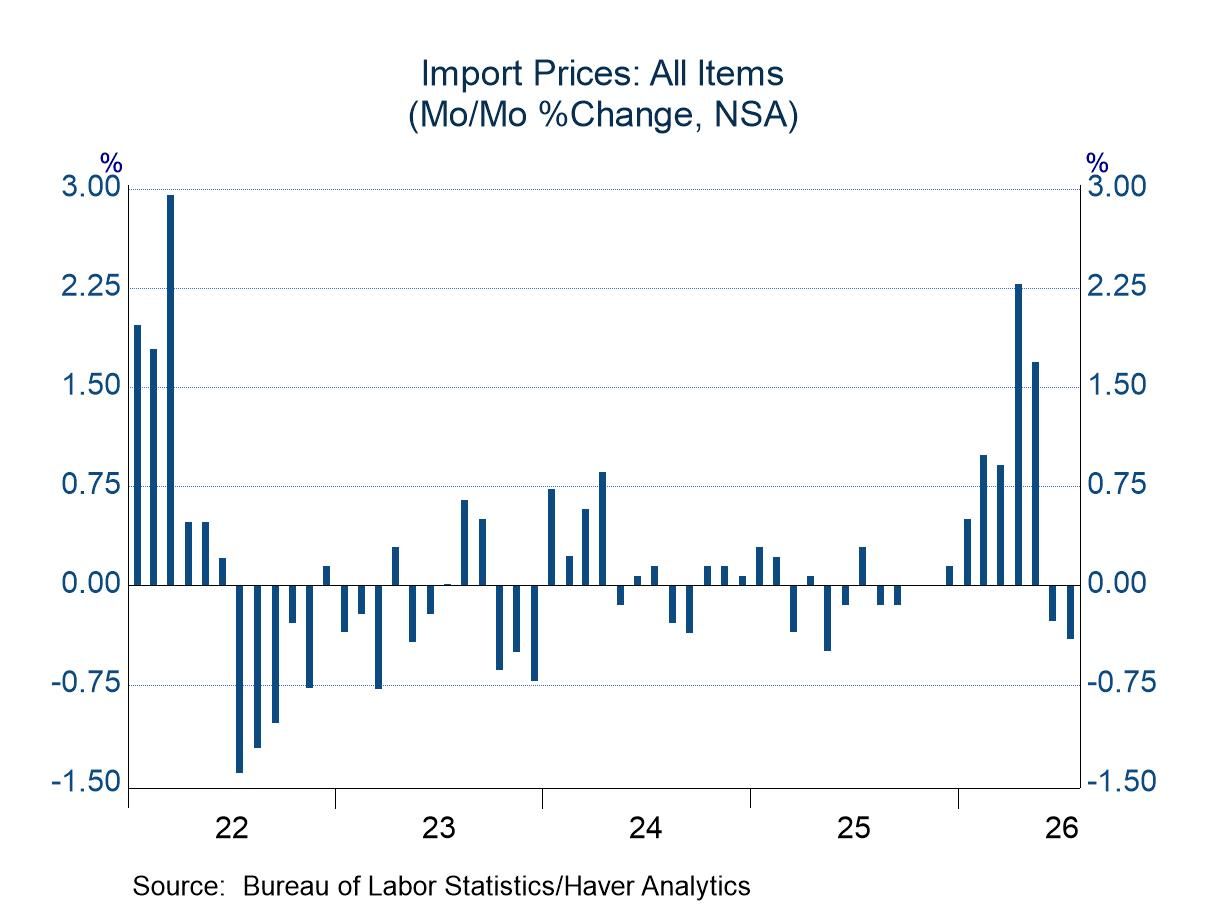 USA| Aug 18 2026
Import and Export Prices in July: Petroleum-Led Restraint
- The retreat in the price of crude oil pushed both import and export prices lower.
- Prices of capital goods are under upward pressure on both sides of the trade ledger.
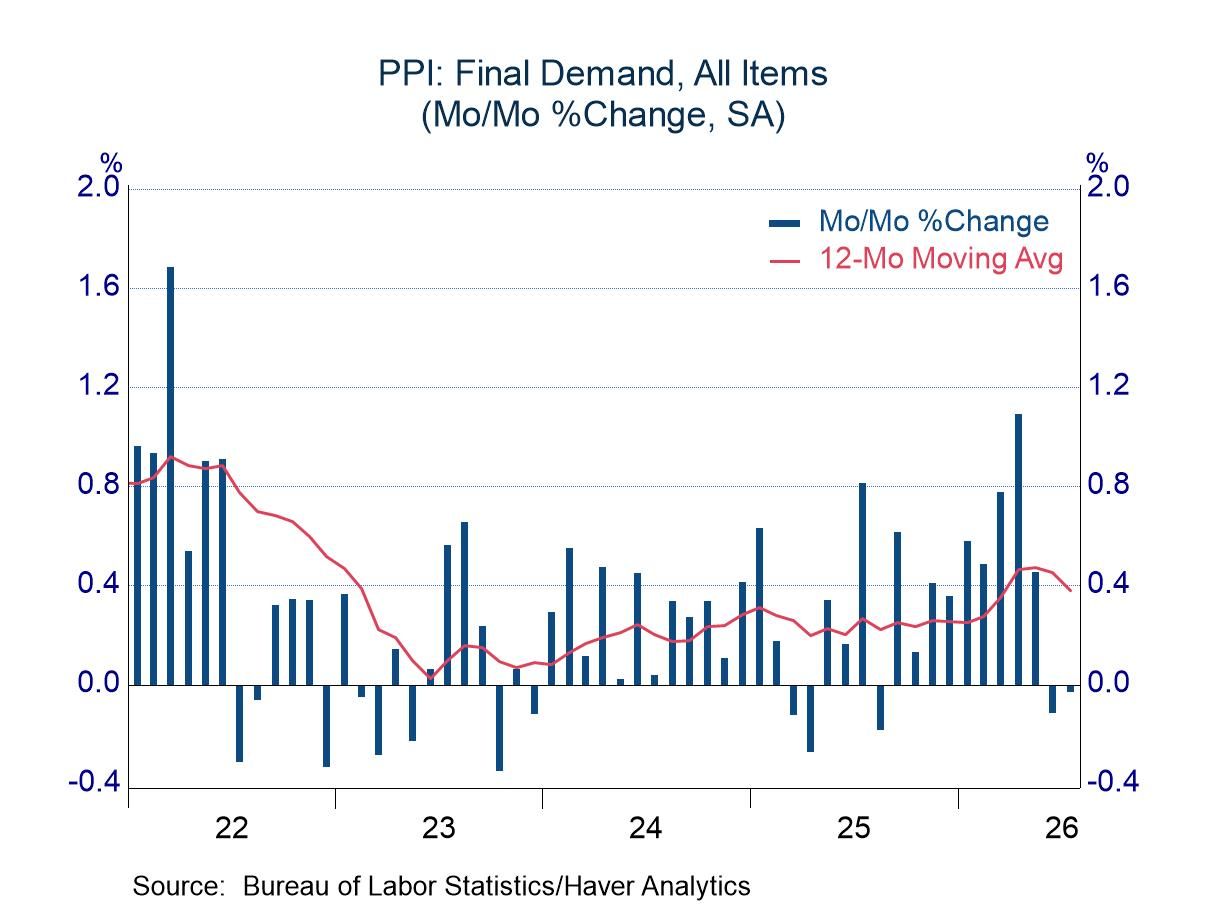
- Both the food and energy components have declined in the past two months.
- Other items have decelerated recently, but the rate of inflation remained uncomfortably high.
 USA| Aug 06 2026
Productivity: Moderate Growth in Q2
- Productivity gains, while still respectable, have lost a bit of vigor in recent quarters.
- Unit labor costs rose moderately, suggesting little inflation pressure.
 USA| Aug 04 2026
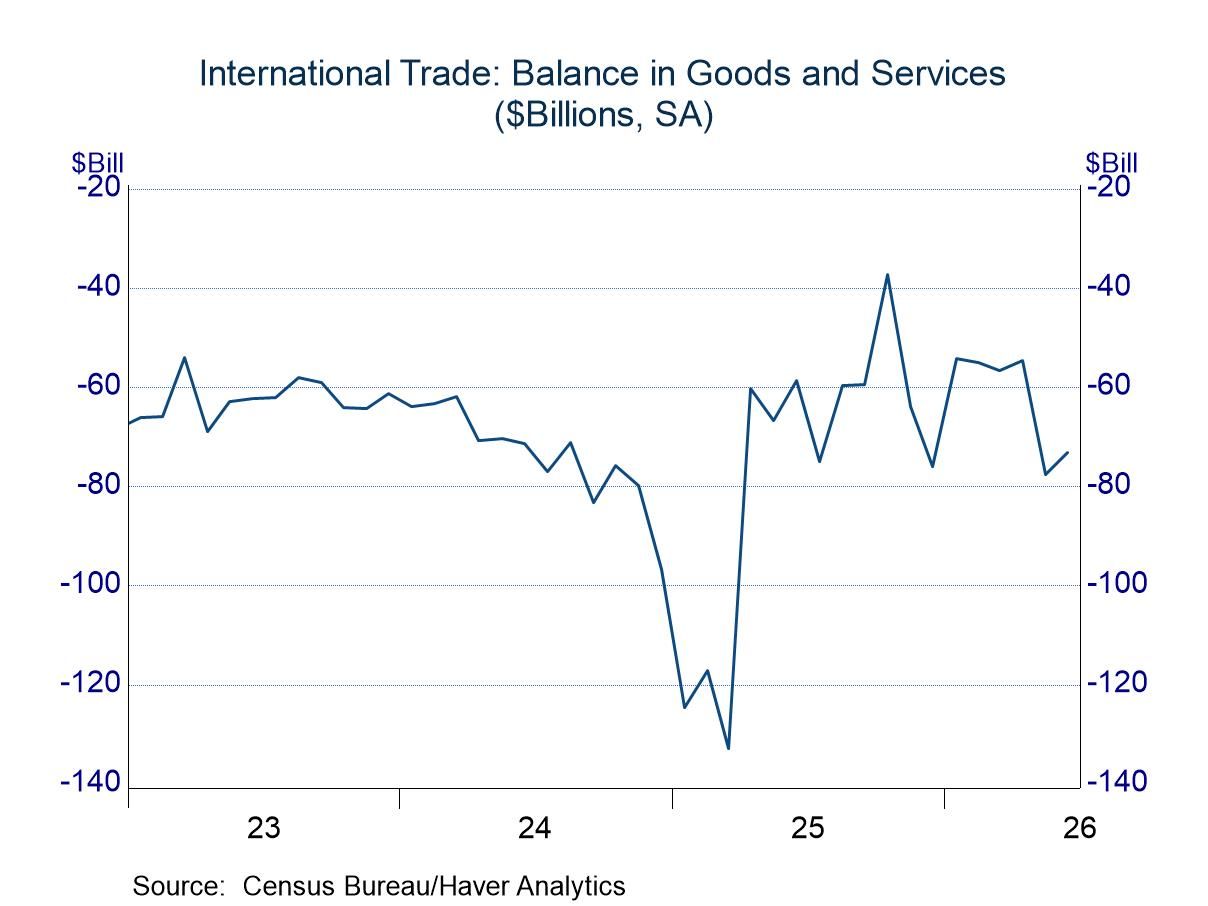
US International Trade in June: Searching for Normal
- Both exports and imports cool after strong performances in early 2026.
- The US trade balance is moving sideways within a wide range.
 USA| Jul 30 2026
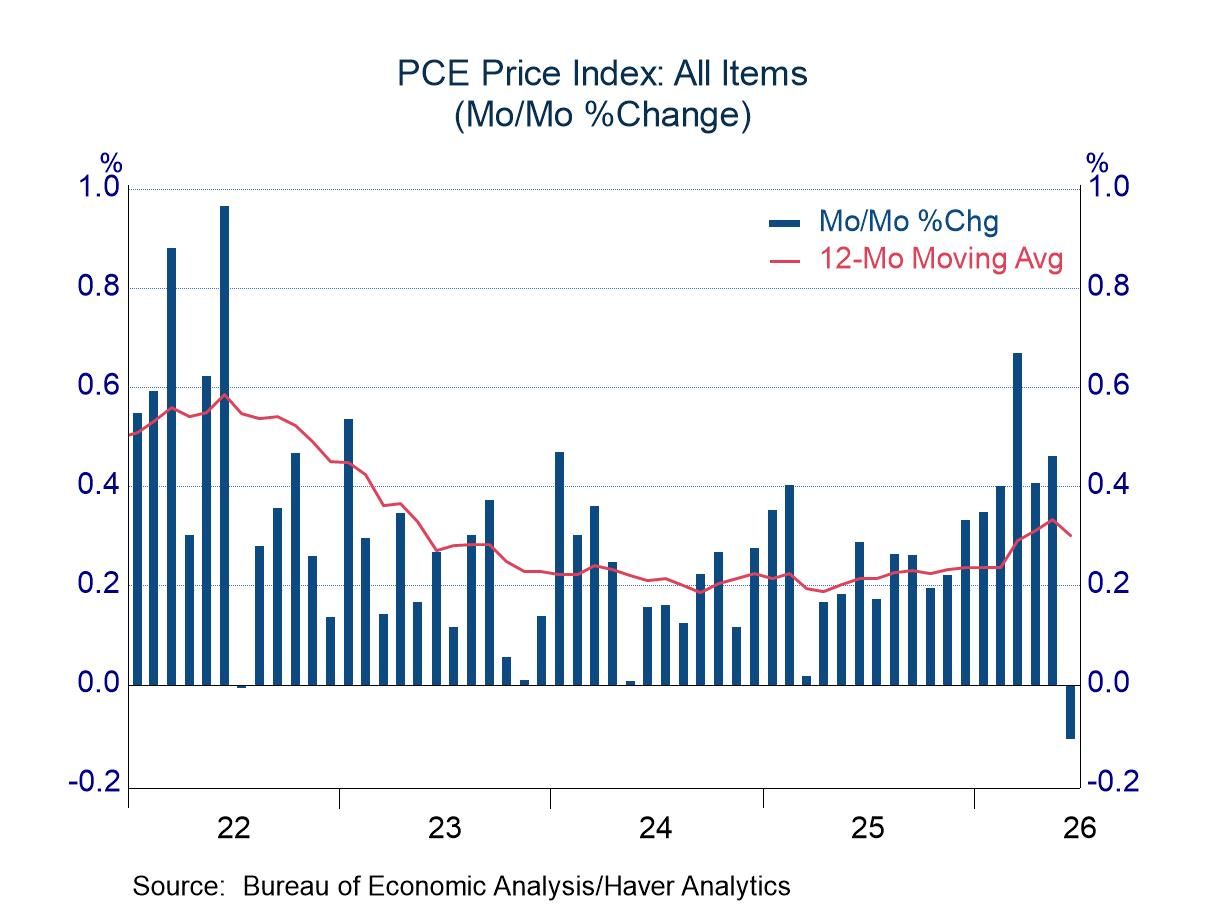
Personal Income, Consumption, and Prices in June
- (Temporary?) relief on price pressures
- Respectable income gain and active spending by consumers
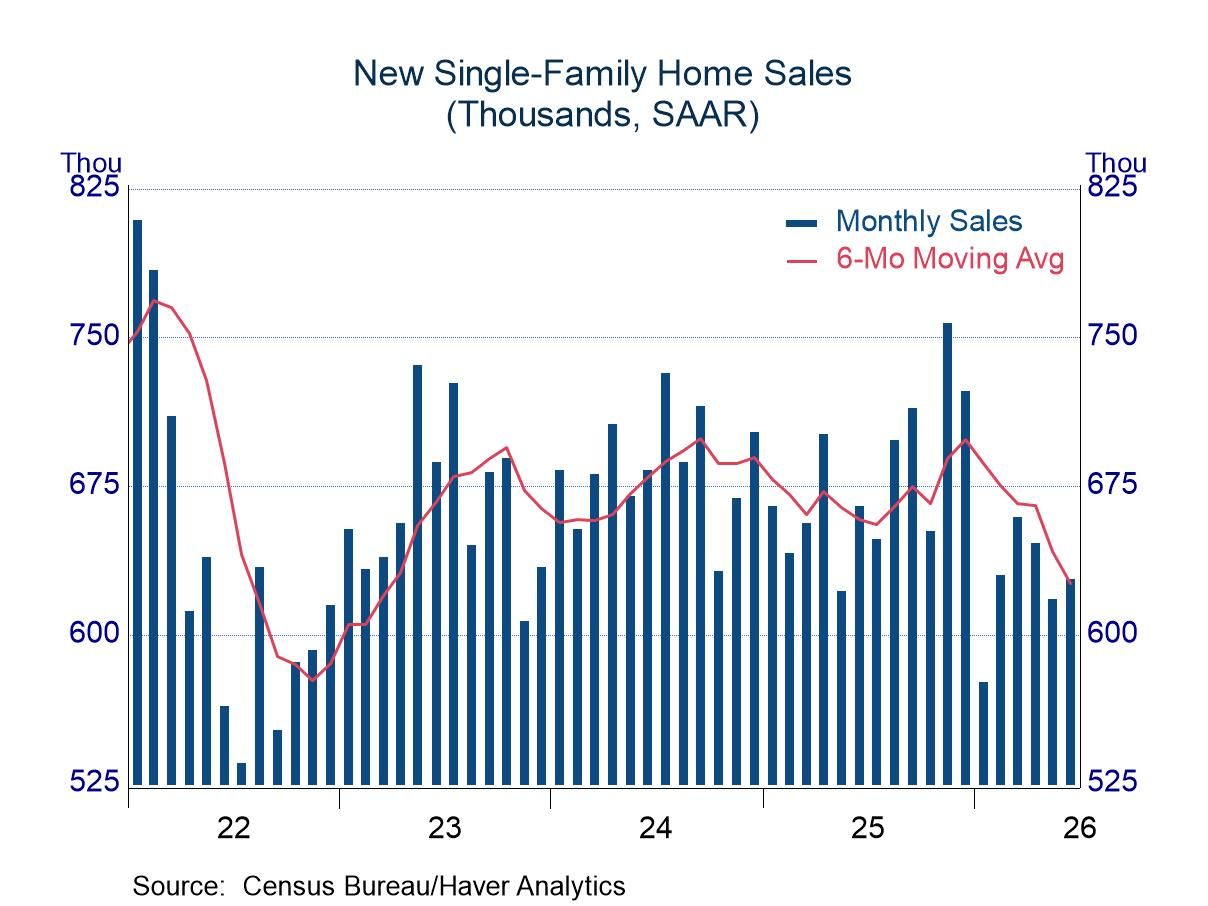
- Respectable advance in the latest month…
- …and net upward revisions in the prior three months
- …but still trailing results in the prior three months
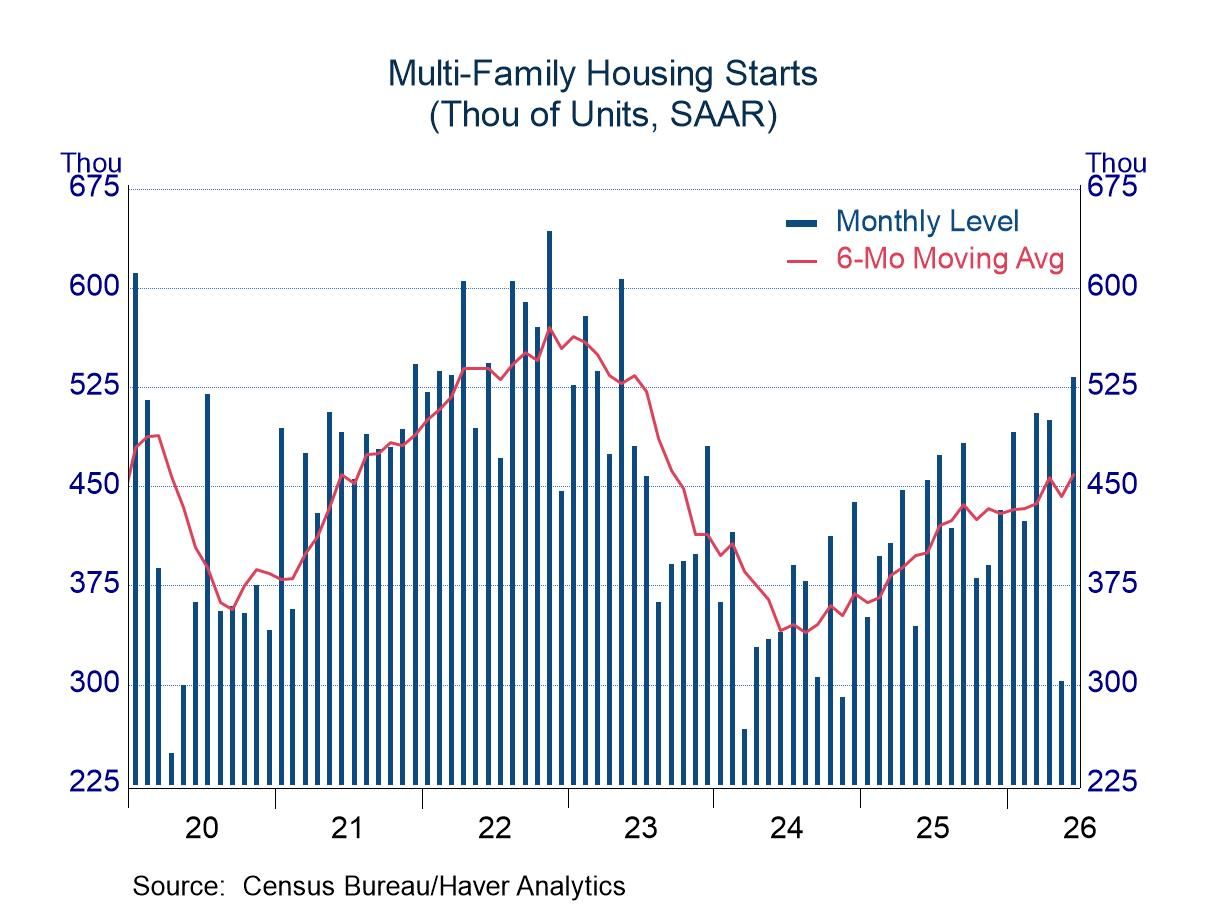
- Multi-Family starts rebounded from a soft reading in May.
- Single-family activity dipped from upwardly revised levels; softish trend overall.
 USA| Jul 14 2026
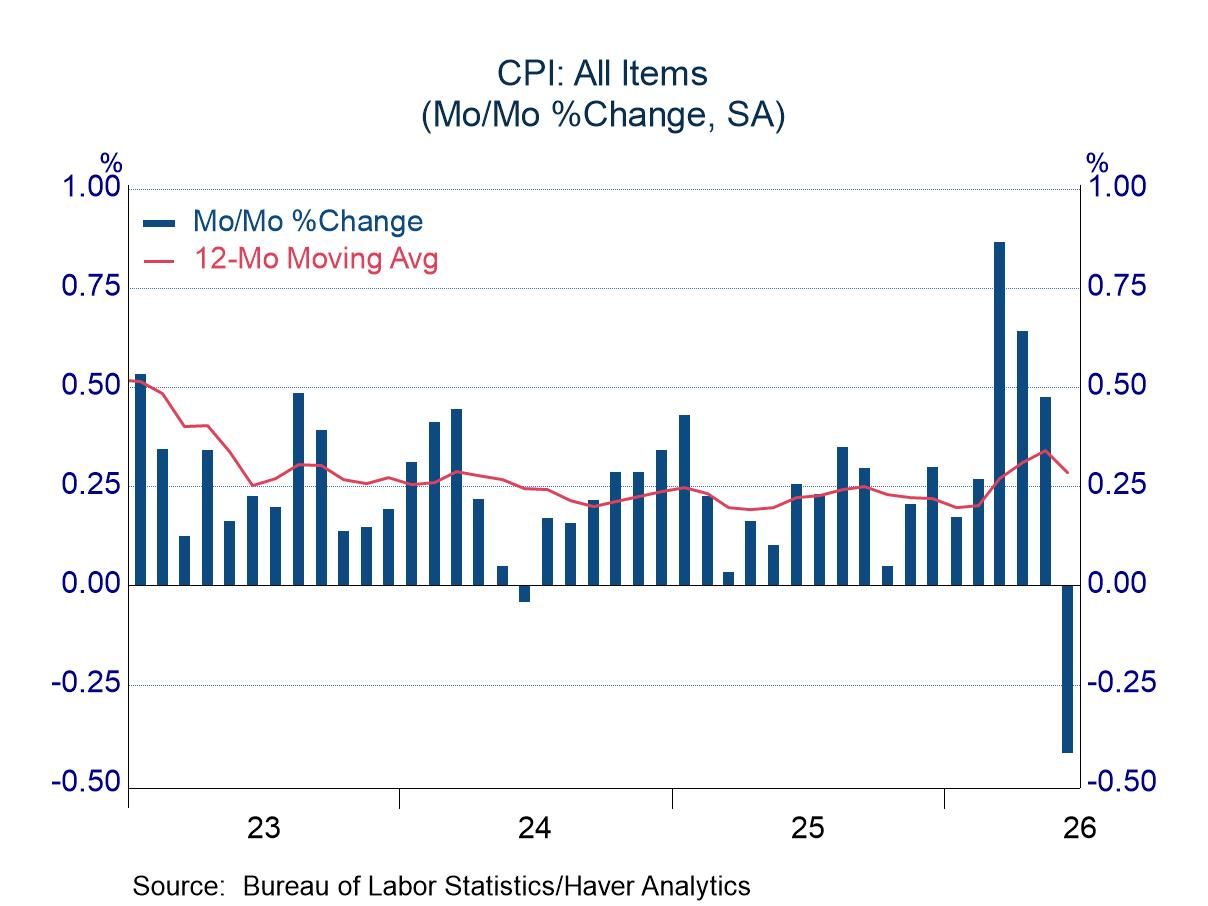
June CPI: Cooling Energy Prices and a Restrained Core Component
- The energy component retraced a portion of its surge in the prior three months.
- Prices excluding food and energy provided a surprise by posting a rare decline.
 USA| Jul 01 2026
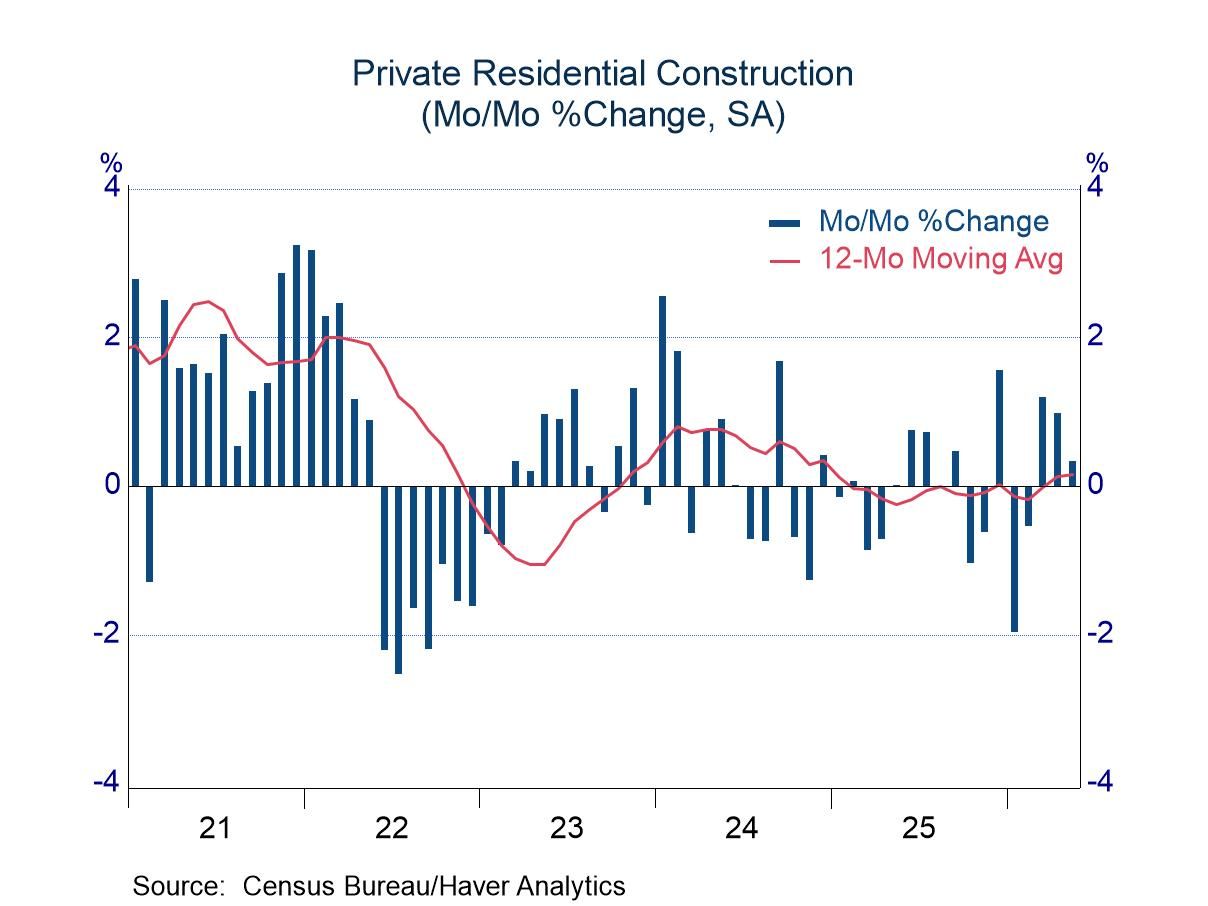
Construction in May: Another Soft Reading
- Building activity in the US was firm in 2023 and 2024, but it has lost ground since then.
- Government-related construction and private residential building have been little changed in the past year or so.
- Private nonresidential construction has been notably weak, despite robust activity in the building of data centers.
 USA| Jun 25 2026
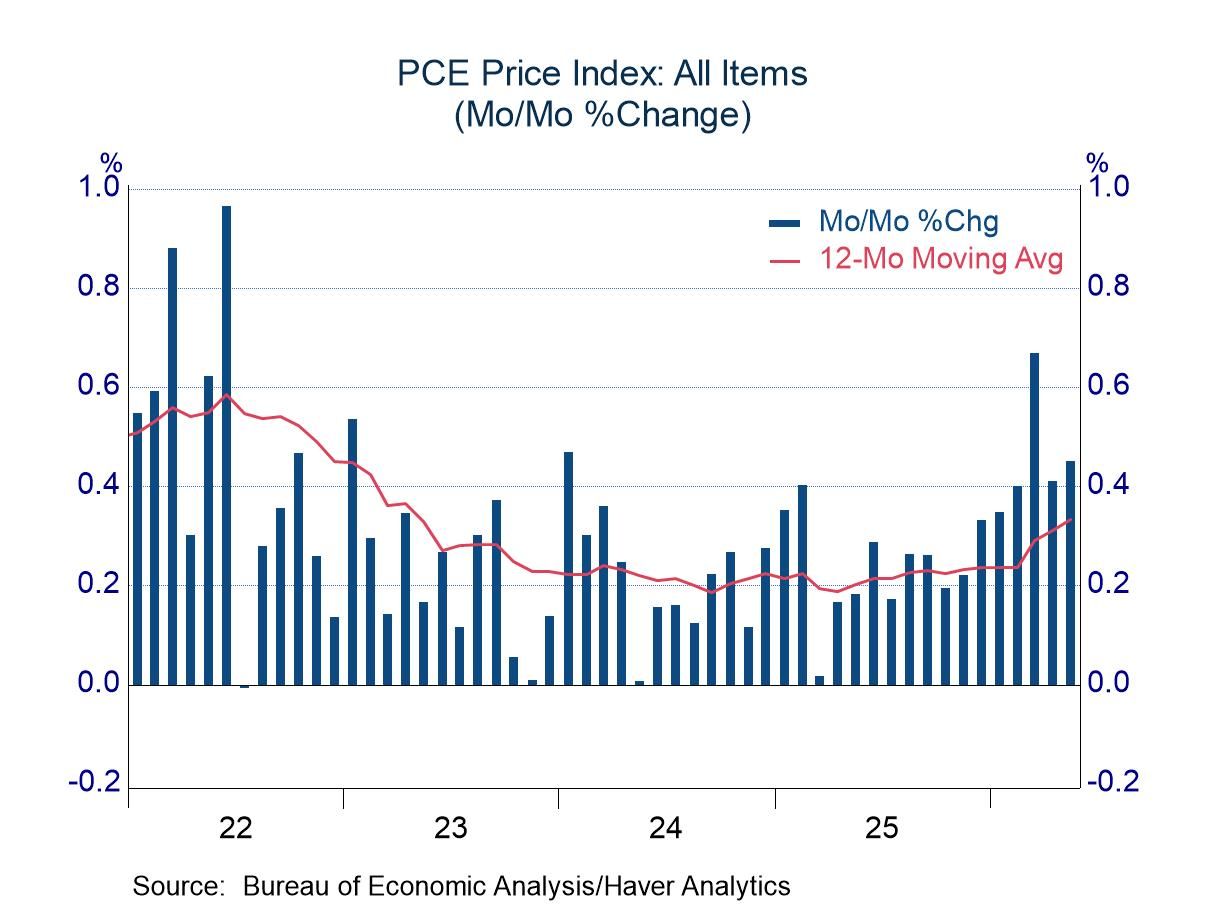
Personal Income, Consumption, and Prices in May
- Energy prices rose sharply for the third consecutive month; core prices were unsettling as well.
- A jump in nominal income translated to a modest advance in real terms, allowing consumers to remain reasonably active.
- of6Go to 1 page